
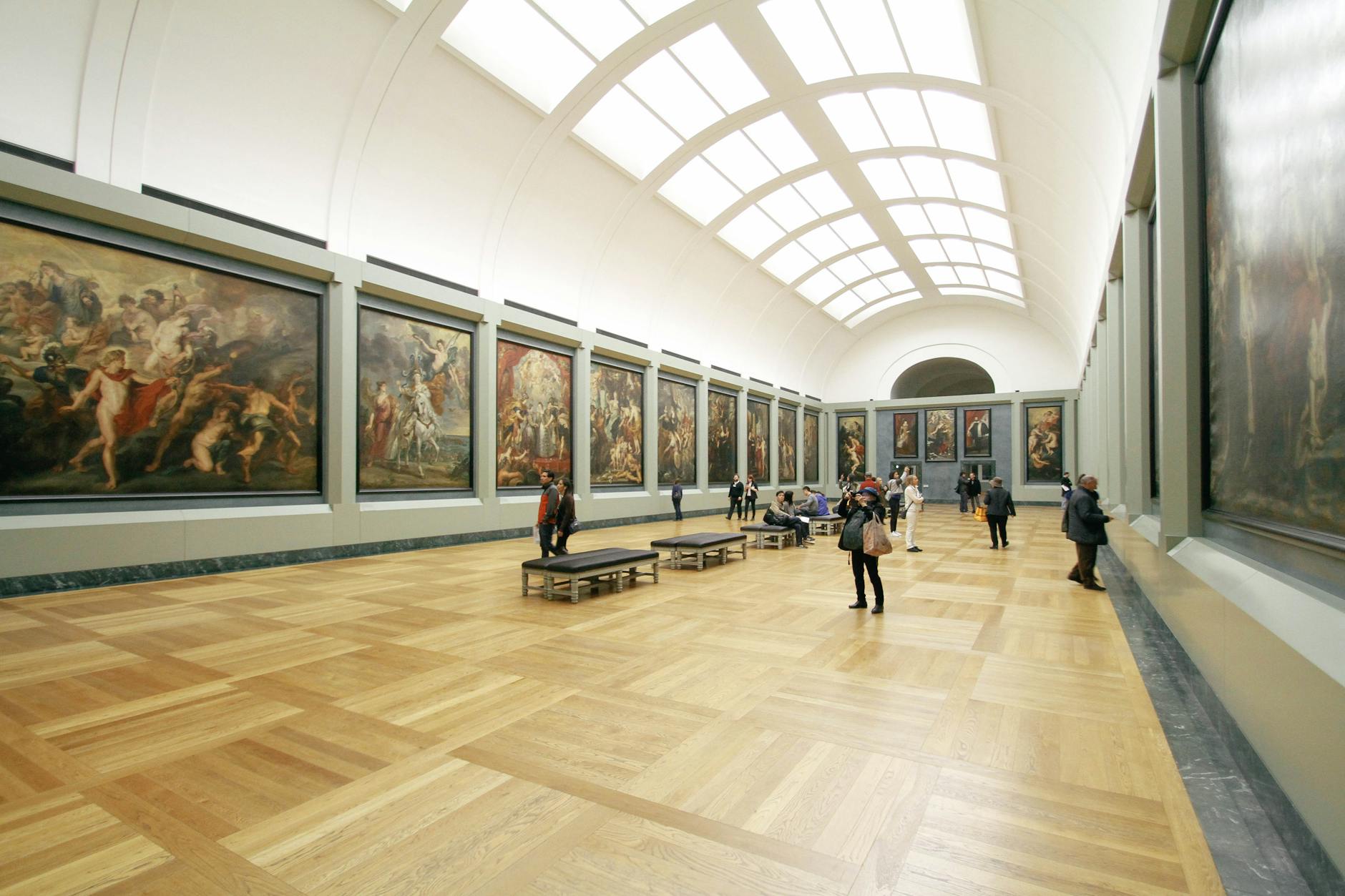
1) The Louvre (Paris, France)
The Louvre, once a royal palace, is the world’s most visited museum and a trove of global art. The Mona Lisa’s enigmatic smile draws crowds, but sculpture courts and lesser-known galleries reward slow exploration. Wings dedicated to Egypt, Greece, and the Islamic world trace civilizations across millennia. I. M. Pei’s glass pyramid links palace grandeur with modern transparency. Visitor resources—from maps to audio guides—help navigate the vast complex. Off-peak hours and timed tickets reduce conges…
2) The British Museum (London, UK)
Established in 1753, the British Museum houses artifacts spanning continents and eras. The Rosetta Stone unlocked Egyptian hieroglyphs; Assyrian reliefs animate ancient hunts and battles. The light-filled Great Court creates a civic heart for gatherings and study. Free admission preserves the founding principle of public access to knowledge. Conservation labs stabilize fragile items while research reinterprets collections. Active conversations about provenance and repatriation shape the museum’s futur…
3) The Metropolitan Museum of Art (New York, USA)
The Met compresses 5,000 years of human creativity into one walkable city of galleries. Egyptian temples, European paintings, African masks, and contemporary installations coexist under one roof. Seasonal rooftop commissions pair sculpture with skyline views over Central Park. The Costume Institute’s exhibitions bridge fashion, celebrity, and craft. Docent tours, family guides, and learning spaces make the collection approachable. Smart itineraries—by culture, era, or theme—prevent museum fatigue. Gi…
4) The Vatican Museums (Vatican City)
Ornate corridors lead past classical statuary, maps, and tapestries toward the Sistine Chapel. Michelangelo’s ceiling rewards patient viewing as details emerge in color and gesture. Raphael Rooms demonstrate a high point of Renaissance humanism. Early entry tours and evening openings can ease peak-hour crowding. Conservation teams carefully clean and stabilize frescoes and manuscripts. Courtyards and gardens provide quiet pauses in a dense itinerary. The museums embody centuries of faith, art, and pow…
5) The State Hermitage Museum (St. Petersburg, Russia)
Set in the Winter Palace, the Hermitage marries imperial architecture with one of the world’s largest art collections. Masterworks by Rembrandt, Leonardo, and Matisse hang amid gilded staircases and parquet floors. The vast scale demands a plan—choose a few departments to savor rather than sprint. Branch museums and storage facilities host rotating shows and research. Riverfront approaches make arrivals theatrical in any season. Digital outreach and loans connect the institution to global audiences. …
🧠 Summary
Museums safeguard memory and make it public. Architecture shapes the encounter with art, from palaces to glass pyramids. Research and conservation run alongside exhibition. Ethical debates about ownership and return keep institutions engaged with history. Education programs and digital access widen participation. Temporary shows refresh narratives and invite new voices. These five museums lead in scale, scholarship, and storytelling. They prove that curiosity is a civic virtue.
🎁 Extras
- On This Day: August 10, 1793 — The Louvre opened to the public.
- Fun Fact: The British Museum’s Reading Room once hosted Karl Marx.
- Book/Doc: The Story of Art by E. H. Gombrich.
- Reader Question: Which gallery would you linger in the longest?
- Statistic: The Louvre’s annual attendance often exceeds seven million visitors.
- Visual Tip: Museum infographics
🗣 Quote of the Day
“A museum should be the living room of the city.”
— Olafur Eliasson
Discover more from Magazine of AI
Subscribe to get the latest posts sent to your email.