
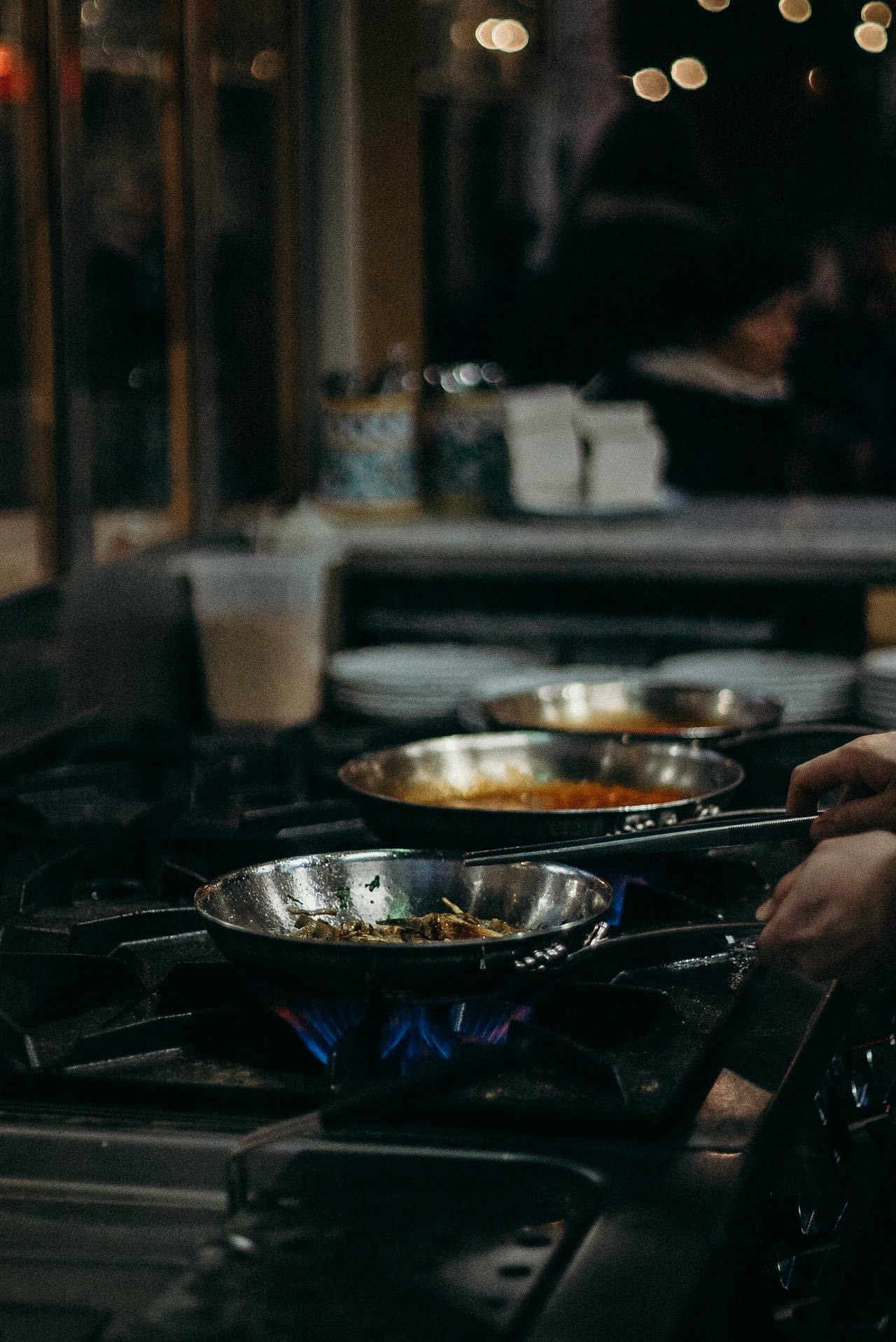
Italian cuisine is celebrated for simplicity and high-quality ingredients. Dishes emphasize seasonal produce, olive oil, and fresh herbs. Pasta varieties and sauces reflect strong regional identities. Pizza, risotto, and gelato are global favorites. Italian dining culture values family and conviviality. Traditional recipes are adapted worldwide without losing essence. Chefs focus on balance, texture, and aroma. Protected designations safeguard authentic products like Parmigiano Reggiano. Italian street food offers quick, flavorful bites. Wine pairings elevate meals from casual to fine dining. Cooking techniques are accessible yet refined. Its influence shapes restaurants and home kitchens alike. More about Italian cuisine
2) Chinese Cuisine
Chinese cuisine encompasses vast regional traditions and techniques. Sichuan heat, Cantonese balance, and Shanghainese sweetness showcase diversity. Stir-frying, steaming, and braising optimize flavor and nutrition. Rice and noodles anchor everyday meals across regions. Dim sum culture highlights variety and sharing. Sauces like soy, oyster, and chili oil add depth. Street markets display fresh ingredients and fast cooking. Banquets emphasize harmony of color, taste, and texture. Vegetarian and vegan options are abundant and creative. Chinese food travels well and adapts to local tastes. Culinary philosophy values balance of yin and yang. It remains one of the world’s most influential cuisines. More about Chinese cuisine
3) Mexican Cuisine
Mexican cuisine blends indigenous traditions with Spanish influences. Corn, beans, and chili peppers form the culinary backbone. Salsas offer fresh, roasted, or smoky profiles. Regional dishes like mole and cochinita pibil show depth. Street food culture thrives with tacos and tamales. Lime, cilantro, and onion brighten savory flavors. Comfort and celebration meet in family recipes. Techniques like nixtamalization elevate corn’s nutrition and texture. Festive foods mark holidays and community gatherings. Mexican cuisine adapts well to vegetarian and gluten-free needs. Global popularity keeps evolving with modern chefs. Its vibrancy reflects Mexico’s cultural richness. More about Mexican cuisine
4) Indian Cuisine
Indian cuisine is renowned for complex spice blends and aromas. Regional variety includes Punjabi, Bengali, South Indian, and more. Vegetarian traditions yield deeply satisfying dishes. Breads like naan, roti, and dosa complement curries. Rice dishes such as biryani deliver layered flavors. Chutneys and pickles add brightness and heat. Street snacks offer textures from crisp to creamy. Ayurveda influences balance and ingredient pairing. Desserts feature cardamom, saffron, and ghee richness. Global diasporas spread authentic techniques worldwide. Fusion chefs reinterpret classics with care. Indian cuisine invites exploration and sensory delight. More about Indian cuisine
5) Japanese Cuisine
Japanese cuisine emphasizes seasonality, presentation, and umami. Sushi and sashimi foreground pristine seafood and rice. Washoku principles promote harmony and nutrition. Techniques like tempura and yakitori highlight precision. Ramen culture showcases regional broths and toppings. Fermented foods such as miso and soy sauce add depth. Bento boxes balance color, texture, and portion. Tea ceremony underscores mindfulness and aesthetics. Convenience stores offer surprisingly high-quality meals. Kaiseki dining reaches artistic heights in multi-course menus. Respect for ingredients guides every decision. Japanese cuisine blends tradition with quiet innovation. More about Japanese cuisine
🧠 Summary (8 sentences)
Global cuisines thrive by balancing tradition and innovation. Italian food champions simplicity and terroir. Chinese cooking showcases vast regional variety. Mexican cuisine celebrates freshness and community. Indian dishes elevate spices and vegetarian craft. Japanese dining honors seasonality and presentation. Each cuisine adapts worldwide while preserving identity. Together, they shape how the world cooks, eats, and shares culture.
🎁 Extra Contributions
- On This Day: August 21, 1911 – The Mona Lisa was stolen, later inspiring culinary tributes in art-themed restaurants.
- Fun Fact: Tomatoes, now central to Italian cooking, reached Europe only after the Columbian exchange.
- Book/Documentary Recommendation: Salt, Fat, Acid, Heat by Samin Nosrat.
- Question for Readers: Which cuisine do you cook most often at home and why?
- Weekly Statistic: Street food accounts for a significant share of daily meals in many Asian cities.
- Visual Tip: World cuisines infographics.
🗣 Quote of the Day
“One cannot think well, love well, sleep well, if one has not dined well.”
— Virginia Woolf, 1929
Discover more from Magazine of AI
Subscribe to get the latest posts sent to your email.