
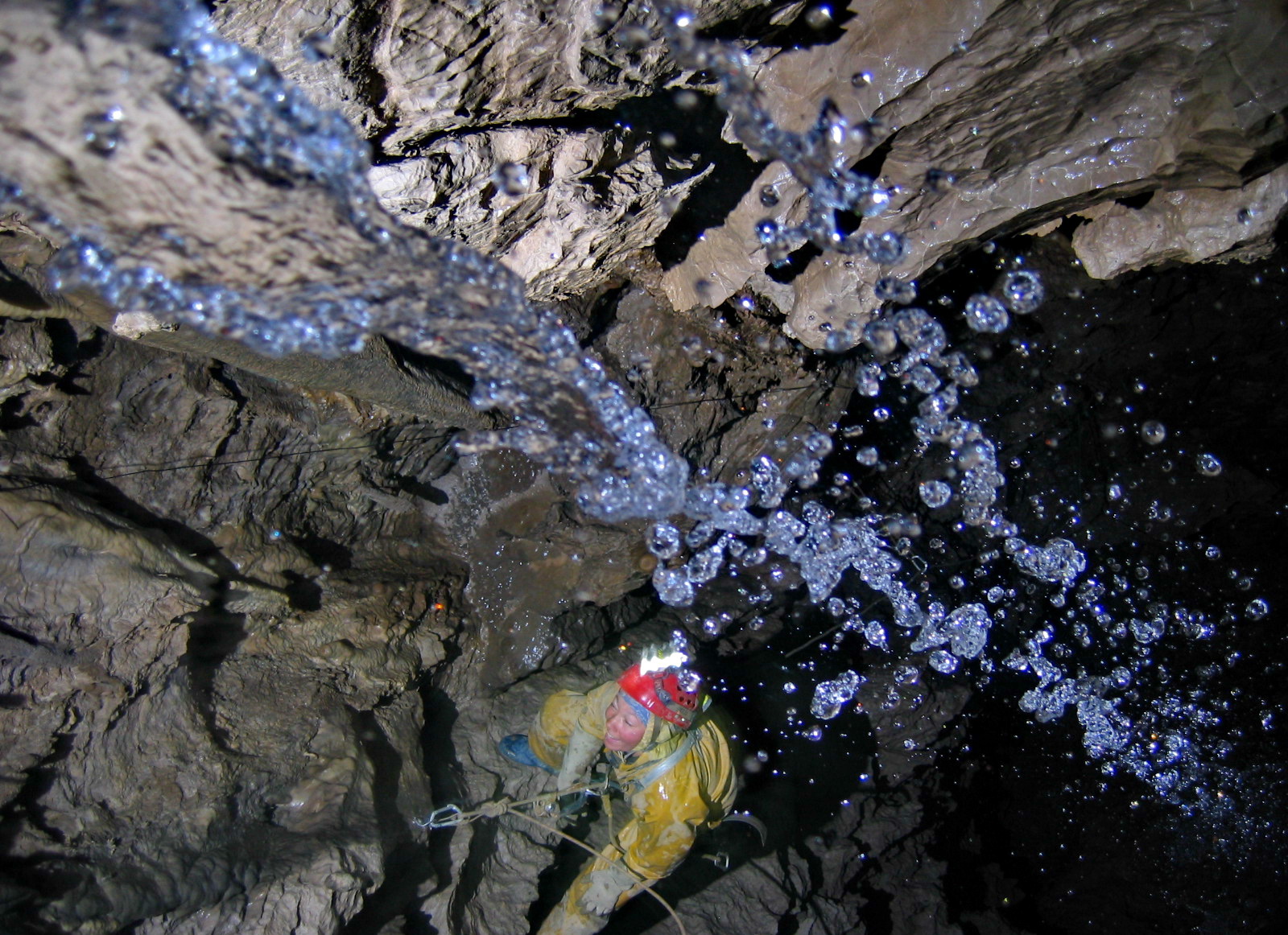
This list ranks the five deepest caves in the world by a single, consistent metric: maximum surveyed cave depth. That is the vertical difference, measured in metres, between the highest qualifying entrance and the lowest reliably surveyed point within a cave system. The ranking follows the most recent comparable 2024 survey compilation and excludes terminal-sump depths and unverified later claims.
Deep caves are compelling both for their physical extremes and for what they reveal about karst geology, underground hydrology and the limits of human exploration. The systems that make the top five are dominated by the Arabika Massif in the western Caucasus, with one notable alpine exception in Austria; each entry below is presented with the verified depth, location and contextual details from the 2024 compilation.
Quick Comparison
| Rank | Item | Location | Ranking Value (m) | Date/Year |
|---|---|---|---|---|
| 1 | Krubera–Voronya Cave | Arabika Massif, Abkhazia, internationally recognized as Georgia | 2,224 | 2024 compilation |
| 2 | Veryovkina Cave | Arabika Massif, Abkhazia, internationally recognized as Georgia | 2,209 | 2024 compilation |
| 3 | Sarma Cave | Arabika Massif, Abkhazia, internationally recognized as Georgia | 1,830 | 2024 compilation |
| 4 | Snezhnaya–Mezhonnogo–Illyuzia–Banka cave system | Arabika Massif, Abkhazia, internationally recognized as Georgia | 1,760 | 2024 compilation |
| 5 | Lamprechtsofen | Leogang, Salzburg, Austria | 1,735 | 2024 compilation |
#5 — Lamprechtsofen

Location: Leogang, Salzburg, Austria
Ranking value: 1,735 m
Relevant year: 2024 compilation
Lamprechtsofen is a major alpine limestone cave system noted for its large vertical range and for having a portion accessible to tourists. At 1,735 metres of surveyed depth it occupies the fifth position under the 2024 compilation metric. Its inclusion reflects reliable survey data for the vertical difference between the qualifying entrance and the system’s lowest surveyed point. Lamprechtsofen’s combination of deep vertical development and a show-cave entrance section makes it distinctive among the deepest caves: a high-altitude alpine system that is also known for managed public access in part of its upper passages.
#4 — Snezhnaya–Mezhonnogo–Illyuzia–Banka cave system
Location: Arabika Massif, Abkhazia, internationally recognized as Georgia
Ranking value: 1,760 m
Relevant year: 2024 compilation
This multi-entrance, connected cave system on the Arabika Massif is listed as Snezhnaya–Mezhonnogo–Illyuzia–Banka and reaches a surveyed depth of 1,760 metres. It ranks fourth because survey evidence establishes the connections among its entrances and passages, producing the vertical range used for comparison. The system contains substantial underground watercourses and deep shafts; its status as a connected multi-entrance complex is the reason it is treated as a single cave for ranking purposes under the 2024 compilation.
#3 — Sarma Cave
Location: Arabika Massif, Abkhazia, internationally recognized as Georgia
Ranking value: 1,830 m
Relevant year: 2024 compilation
Sarma Cave is one of several exceptionally deep systems on the Arabika Massif and is recorded at 1,830 metres in the 2024 compilation. It ranks third because its maximum surveyed vertical extent exceeds the fourth and fifth entries but remains below the two deepest caves on the massif. Sarma’s position highlights the concentration of extreme vertical development in this karst region, where multiple separate or connected systems achieve depths of more than a kilometre.
#2 — Veryovkina Cave

Location: Arabika Massif, Abkhazia, internationally recognized as Georgia
Ranking value: 2,209 m
Relevant year: 2024 compilation
Veryovkina Cave is recorded at 2,209 metres and ranks second in the 2024 compilation. Under earlier reports it was among the first caves publicly recognized as exceeding 2,200 metres; the verified dataset used here places it just behind Krubera–Voronya. Veryovkina’s depth derives from extensive survey work in the Arabika Massif; it remains one of only two systems in the compilation whose maximum surveyed vertical extent exceeds 2,200 metres.
#1 — Krubera–Voronya Cave

Location: Arabika Massif, Abkhazia, internationally recognized as Georgia
Ranking value: 2,224 m
Relevant year: 2024 compilation
Krubera–Voronya tops this list with a surveyed depth of 2,224 metres in the 2024 compilation. Recent survey reporting compiled in 2024 places Krubera–Voronya ahead of Veryovkina, reversing the long-standing historical order in some earlier figures. Its position at number one follows directly from the verified maximum surveyed vertical difference between the highest qualifying entrance and the cave’s lowest surveyed point as recorded in the compilation used for this ranking.
How We Ranked Them
The ranking metric is maximum surveyed cave depth, expressed in metres. That value is the vertical difference between the highest qualifying entrance and the lowest reliably surveyed point in a cave system. Connected cave systems are treated as a single cave where survey data establish a connection between entrances and passages. The list follows the most recent comparable 2024 survey compilation; terminal-sump depths and later unverified claims have been excluded from consideration.
Inclusion and exclusion rules: entries must have verified survey data reported in the 2024 compilation. Terminal sump depths and unverified or anecdotal reports were not used. The compilation recognizes that cave depths can change with new connections, entrance re-surveys or additional exploration; the values shown are those recorded and compared within the 2024 reporting period. Borderline candidates like Gouffre Mirolda (approximately 1,733 m) were excluded because their surveyed depths fall slightly below the fifth-ranked Lamprechtsofen (1,735 m) under the same metric and reporting period.
Frequently Asked Questions
What exactly is “maximum surveyed cave depth”?
It is the vertical difference, in metres, between the highest qualifying entrance to a cave system and the lowest reliably surveyed point within that system. This metric depends on formally recorded survey work rather than anecdote or later unverified claims.
Why are some well-known caves not on this list?
Only caves with verified survey data in the 2024 compilation and measured by the specific metric—highest entrance to lowest surveyed point—were included. Systems with shallower surveyed depths or with unverified later claims were excluded; Gouffre Mirolda, for example, is approximately 1,733 m and sits just below the #5 entry.
Do connected cave systems count as one entry?
Yes. Where survey data establish that separate entrances and passages are connected, they are treated as a single cave system and ranked by the maximum vertical range within that connected system.
How current are these depths and could they change?
The values here follow the 2024 survey compilation used for comparison. Cave depths can change with new surveys, discovery of connections, or re-evaluation of entrance heights, so future compilations may adjust rankings.
Sources
- Lamprechtsofen official site — supports the location and tourism/feature details for Lamprechtsofen and its surveyed status.
- Primož Jakopin, 2024 deep-cave report — primary compilation source used for the Arabika Massif cave depths and recent survey reporting.
- World Deep Caves list — secondary compilation and comparative listing supporting the ranked values.
Last Updated
September 2026
Discover more from Magazine of AI
Subscribe to get the latest posts sent to your email.