
1) Peregrine Falcon
The peregrine falcon holds the record for the fastest dive of any animal during its hunting stoop. It can exceed 300 km/h (186 mph) as it plummets toward prey from high altitudes. Special baffles in the nostrils regulate airflow at extreme speed. Streamlined feathers and powerful flight muscles minimize drag and maximize acceleration. Eyesight with dense photoreceptors allows it to track birds from incredible distances. Peregrines thrive on every continent except Antarctica and often nest on city skyscrapers where pigeons are abundant. More about peregrines
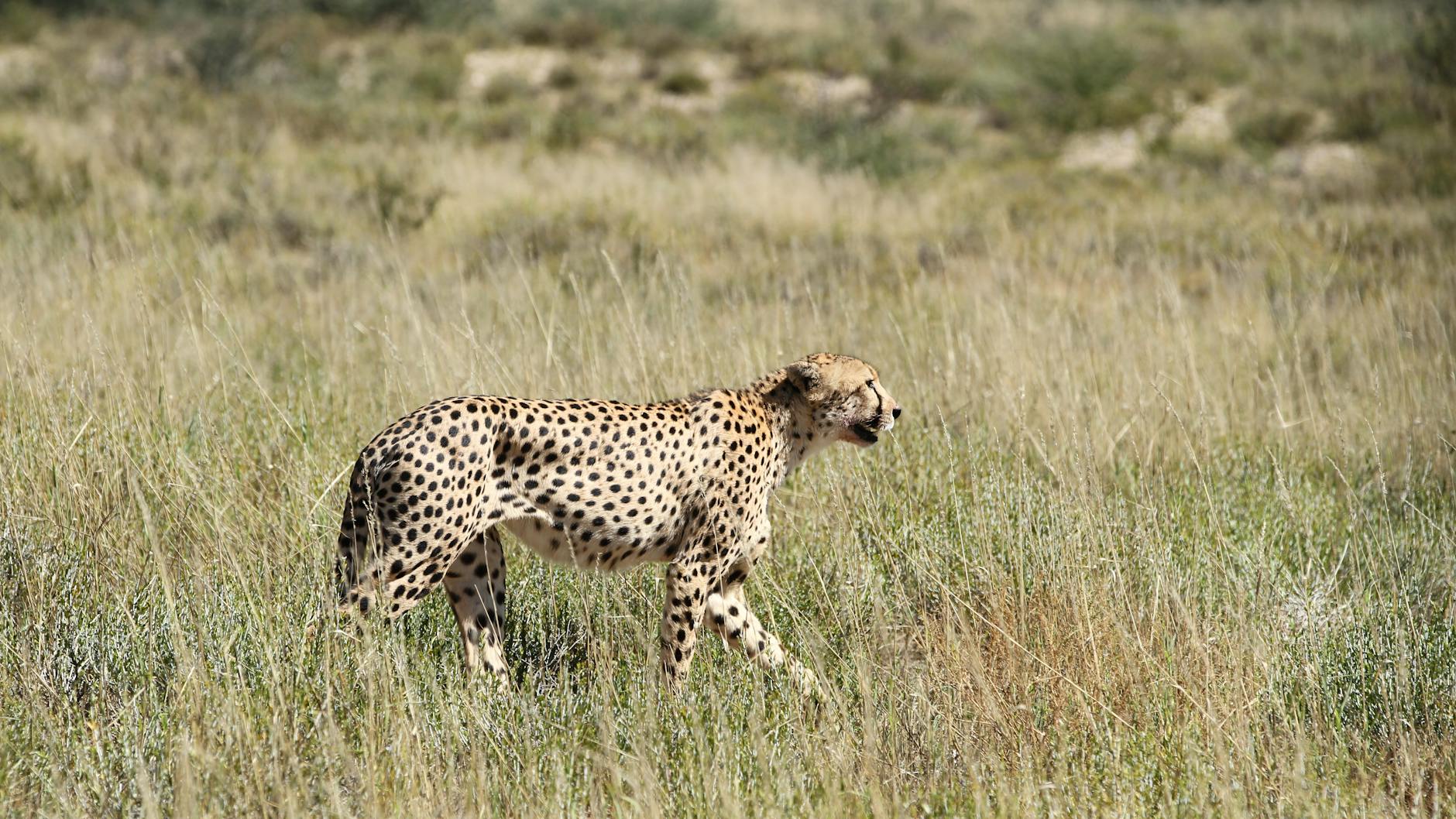
2) Cheetah
The cheetah is the fastest land animal, capable of short bursts between 100–120 km/h (62–75 mph). A flexible spine and long limbs create a springlike stride that covers vast ground quickly. Semi‑retractable claws act like spikes for traction on dirt. Enlarged nasal passages and lungs feed oxygen to working muscles. Sprints rarely exceed 30 seconds due to heat buildup and lactic acid. Tail movements function like a rudder for high‑speed turns when chasing antelope across open savanna. More about cheetahs
3) Sailfish
The sailfish is widely cited as the fastest fish, capable of bursts reported above 100 km/h (62 mph). Its torpedo‑shaped body and retractable dorsal “sail” reduce drag during pursuits. A long, rigid bill helps slice through water and stun schooling fish. Sailfish hunt cooperatively by corralling bait into tight balls. Short, explosive chases are favored over long pursuits. They inhabit warm waters of the Atlantic and Indo‑Pacific, following migratory prey. More about sailfish
4) Pronghorn
North America’s pronghorn is the continent’s fastest sustained runner, maintaining speeds near 60–70 km/h (37–43 mph). Oversized lungs, heart, and trachea support exceptional endurance on the plains. Elastic tendons return energy efficiently with each stride. Scientists think pronghorn evolved their speed to escape now‑extinct predators. Open prairie habitats allow line‑of‑sight sprinting and early detection of threats. Fencing and habitat fragmentation are modern challenges that conservationists address with wildlife corridors. More about pronghorn
5) Black Marlin
The black marlin is an oceanic sprinter capable of blistering runs and aerial leaps. A stiff, sickle‑shaped tail and powerful caudal peduncle deliver thrust. Streamlined bodies and reduced surface roughness lower drag at high speed. Marlin use their bills to slash through bait schools and disorient prey. Warm, oxygen‑rich waters fuel rapid muscle metabolism. Tagging studies reveal vast migrations across tropical oceans. More about black marlin
🧠 Summary
Speed in nature ranges from vertical dives to sustained ground runs and explosive ocean bursts. Peregrines dominate the air while cheetahs rule land sprints. Sailfish and marlin are ocean sprinters built for short, decisive pursuits. Pronghorn show that endurance speed can be a survival strategy on open terrain. Anatomy and physiology—spines, fins, lungs, and feathers—enable peak performance. Evolution tuned these traits over millennia. Human activity now shapes habitats and migration routes. Conservation ensures that future generations can witness these marvels in motion.
🎁 Extras
- On This Day: September 27, 1825 — The Stockton & Darlington Railway opened, heralding a new era of speed on land.
- Fun Fact: Peregrines can perceive movement up to four times faster than humans, aiding high‑speed hunting.
- Book/Doc: The Life of Birds by David Attenborough.
- Reader Question: Which kind of speed impresses you most: dives, sprints, or swims—and why?
- Statistic: Cheetahs can accelerate from 0 to 96 km/h (0–60 mph) in roughly three seconds.
- Visual Tip: Speed comparison infographics
🗣 Quote of the Day
“In nature, speed is both a weapon and a shield.”
— Field biologist’s maxim
Discover more from Magazine of AI
Subscribe to get the latest posts sent to your email.