
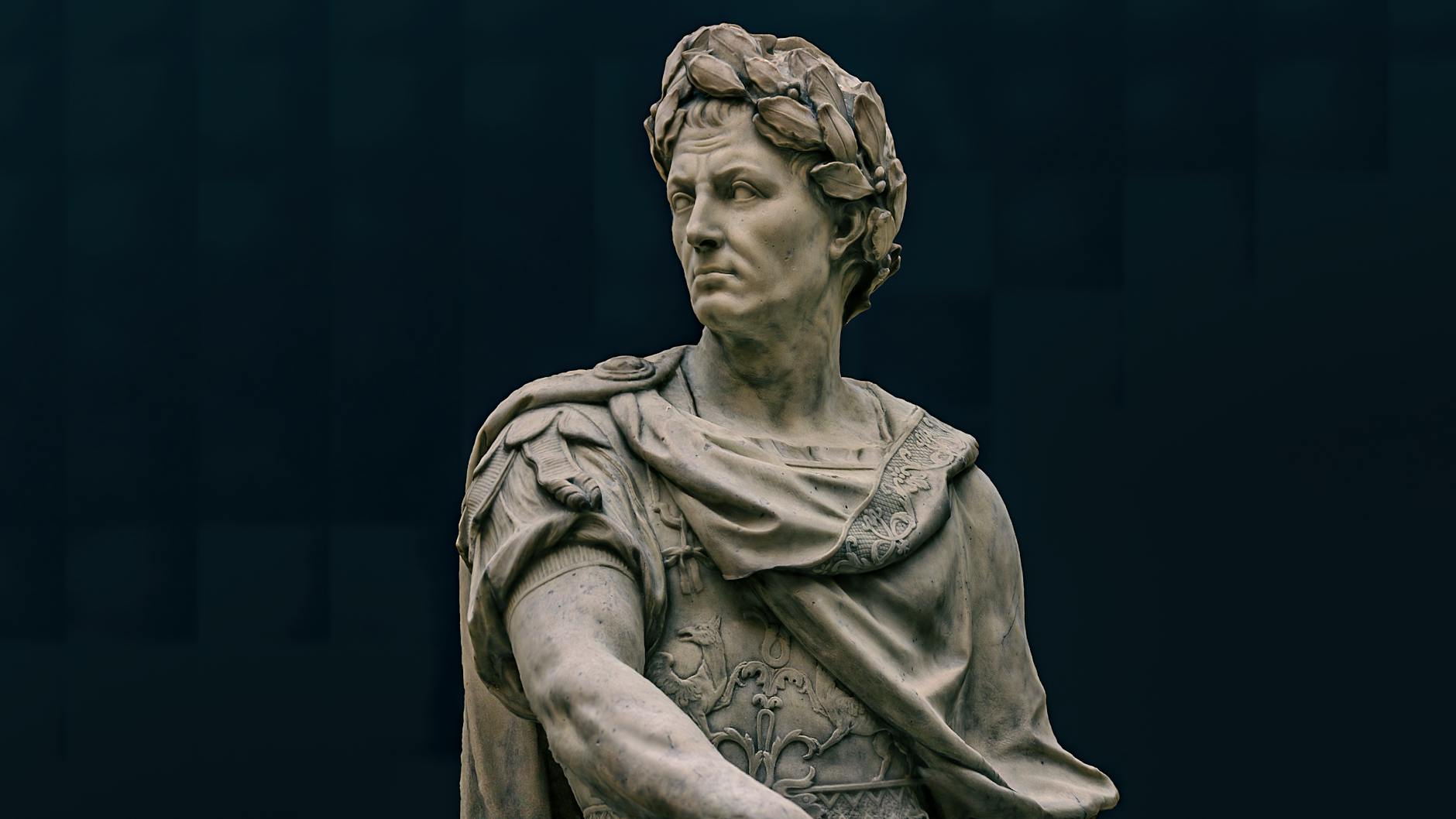
1) Alexander the Great
Alexander the Great, born in 356 BCE in Macedonia, built one of the largest empires of the ancient world before the age of 30. He conquered vast territories stretching from Greece to India, blending cultures in what became known as Hellenistic civilization. His military strategies, such as the use of the phalanx, are still studied today in military academies. Alexander encouraged cultural exchange by marrying into local traditions and allowing conquered peoples to maintain aspects of their customs. He founded more than 20 cities, many of which bore his name, with Alexandria in Egypt becoming a major hub of knowledge. Despite his early death at age 32, his influence shaped politics, warfare, and culture for centuries. Alexander promoted the spread of Greek philosophy and science, influencing later empires. His leadership style combined charisma with ruthless decisiveness. He is remembered as both a visionary leader and a relentless conqueror. The scale of his ambition altered the course of global history. Learn more about Alexander the Great
2) Julius Caesar
Julius Caesar was a Roman general and statesman whose actions reshaped the Roman Republic into the Roman Empire. Born in 100 BCE, he was a brilliant strategist and charismatic leader. Caesar expanded Rome’s territories through successful campaigns in Gaul and Britain. His crossing of the Rubicon River in 49 BCE triggered a civil war, marking a turning point in Roman politics. As a dictator, Caesar implemented reforms that improved the lives of common citizens, including calendar reform that led to the Julian calendar. He centralized power in Rome, reducing the influence of the Senate. His assassination in 44 BCE by senators, including former allies, reflected fears of his growing dominance. Caesar’s writings, especially his commentaries on the Gallic Wars, are valued for their historical and literary merit. He left behind a legacy of both political innovation and authoritarian control. His name later became synonymous with rulers in Europe, inspiring titles like “Kaiser” and “Tsar.” Learn more about Julius Caesar
3) Napoleon Bonaparte
Napoleon Bonaparte rose to prominence during the French Revolution and became Emperor of the French in 1804. He is renowned for his military genius, leading campaigns that reshaped Europe in the early 19th century. Napoleon introduced the Napoleonic Code, which influenced legal systems across the world with its emphasis on equality before the law. His reforms modernized education, administration, and civil services in France and beyond. He expanded France’s territory but also provoked widespread wars across Europe. Despite setbacks like the disastrous invasion of Russia, he maintained loyalty through charisma and a strong sense of national identity. Napoleon’s leadership created both admiration and fear among contemporaries. After his final defeat at Waterloo in 1815, he was exiled to Saint Helena, where he died in 1821. His legacy remains contested—seen by some as a tyrant and others as a reformer. The mark he left on governance, law, and military history endures to this day. Learn more about Napoleon
4) Mahatma Gandhi
Mahatma Gandhi, born in 1869 in India, became the foremost leader of the Indian independence movement against British rule. His philosophy of nonviolent resistance, or “Satyagraha,” inspired millions and reshaped global approaches to civil rights. Gandhi emphasized simplicity, self-reliance, and moral courage as tools for political and social reform. Through peaceful protests, marches, and boycotts, he mobilized mass support against colonial injustice. His Salt March of 1930 became a symbol of defiance against oppressive laws. Gandhi’s influence extended beyond India, inspiring figures like Martin Luther King Jr. and Nelson Mandela. Despite imprisonment and opposition, his commitment to nonviolence never wavered. Gandhi also advocated for religious harmony and the uplift of marginalized communities. He was assassinated in 1948, but his teachings continue to guide movements for justice worldwide. His leadership remains a testament to the power of moral conviction over brute force. Learn more about Gandhi
5) Nelson Mandela
Nelson Mandela, born in 1918 in South Africa, became a global icon of resistance against apartheid. He spent 27 years in prison for his fight against racial segregation and injustice. Upon his release in 1990, Mandela led negotiations that dismantled apartheid and established multiracial democracy in South Africa. As the country’s first Black president in 1994, he promoted reconciliation and nation-building over retribution. Mandela’s leadership emphasized forgiveness, inclusivity, and equality. His work earned him the Nobel Peace Prize in 1993. He prioritized education and poverty alleviation during his presidency. Even after leaving office, Mandela remained active in advocating for peace and HIV/AIDS awareness. He embodied resilience, dignity, and the transformative power of leadership. His legacy continues to inspire global struggles for justice and equality. Learn more about Nelson Mandela
🧠 Summary (8 sentences)
These five leaders profoundly influenced history through conquest, reform, or moral leadership. Alexander the Great spread Greek culture across continents. Julius Caesar transitioned Rome from Republic to Empire. Napoleon reshaped Europe and left behind the Napoleonic Code. Gandhi pioneered nonviolent resistance that reshaped global civil rights. Nelson Mandela proved reconciliation could triumph over division. Each represents different forms of power—military, political, and moral. Together, they highlight the many paths by which leadership can transform societies.
🎁 Extra Contributions
- On This Day: August 21, 1959 – Hawaii became the 50th U.S. state, symbolizing the global expansion of democracy.
- Fun Fact: Napoleon was once attacked by a horde of bunnies during a hunting trip.
- Book Recommendation: *Long Walk to Freedom* by Nelson Mandela.
- Question for Readers: Which historical leader do you believe had the most lasting global impact?
- Weekly Statistic: More than 60 countries today base aspects of their legal systems on the Napoleonic Code.
- Visual Tip: Explore leader infographics.
🗣 Quote of the Day
“The greatest leader is not necessarily the one who does the greatest things. He is the one that gets the people to do the greatest things.”
— Ronald Reagan
Discover more from Magazine of AI
Subscribe to get the latest posts sent to your email.