
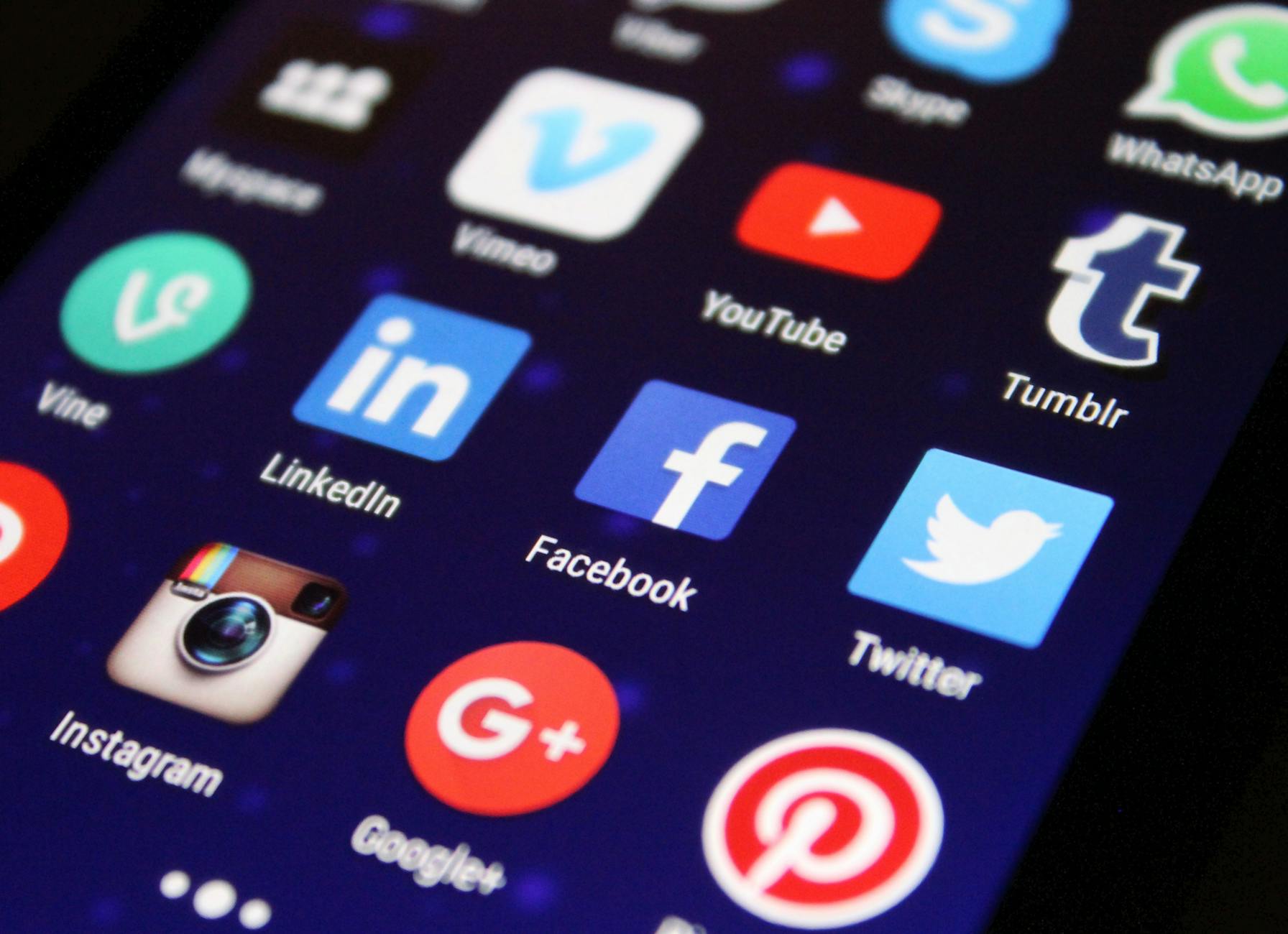
1) Facebook
Facebook matured from a college network into a global platform connecting billions. Core features include feeds, groups, events, and marketplace transactions. Business pages and ad tools serve brands of every size. Privacy controls and data policies have evolved through public scrutiny. The platform integrates messaging, payments, and live video. Despite competition, network effects keep engagement high across demographics. More about Facebook
2) YouTube
YouTube is the dominant video platform for education, entertainment, news, and music. Creators monetize via ads, memberships, and sponsorships. Recommendation algorithms surface niche interests and global trends alike. Shorts compete for quick attention while long‑form content sustains deep learning. YouTube has become a primary search engine for “how‑to” content. Its reach spans smart TVs, phones, and classrooms worldwide. More about YouTube
3) WhatsApp
WhatsApp scaled secure, phone‑number‑based messaging across continents. Group chats, voice notes, video calls, and end‑to‑end encryption define its utility. Business APIs support customer service and order updates. Low data usage and reliability made it the default in many regions. Features like communities and channels extend broadcast and organization. Cross‑platform backups and device support ease switching. More about WhatsApp
4) Instagram
Instagram emphasizes visual storytelling through photos, Reels, Stories, and messaging. Influencers and brands use it for product launches and lifestyle content. Creative tools and filters lower the barrier to polished posts. Shopping features link discovery to checkout. Algorithmic feeds and explore tabs surface trends rapidly. The app remains central to fashion, food, travel, and creator culture. More about Instagram
5) TikTok
TikTok popularized short‑form, music‑driven videos with powerful editing tools and viral sounds. Its “For You” feed personalizes discovery with uncanny accuracy. Trends move quickly from platform to mainstream culture. Brands and creators experiment with challenges, duets, and live shopping. Policymaker scrutiny has prompted debates about data and governance. Despite controversy, engagement and cultural impact remain outsized. More about TikTok
🧠 Summary
Social platforms organize attention at global scale. Facebook remains a general‑purpose hub; YouTube leads video; WhatsApp anchors private communication. Instagram drives visual commerce and creator influence. TikTok sets the pace for viral culture. Across them, privacy, moderation, and algorithmic power shape public conversation. Understanding each platform’s strengths helps creators and brands communicate more effectively.
🎁 Extras
- On This Day: February 14, 2005 — YouTube was founded, accelerating the rise of user‑generated video.
- Fun Fact: WhatsApp’s original business model relied on a small annual fee before shifting to free usage and business APIs.
- Book/Doc: Because Internet by Gretchen McCulloch (on language change online).
- Reader Question: Which platform gives you the best return on time—learning, connection, or business?
- Statistic: The combined monthly active users across these five platforms number in the billions.
- Visual Tip: Social media landscape infographics
🗣 Quote of the Day
“We become what we behold. We shape our tools and thereafter our tools shape us.”
— Marshall McLuhan
Discover more from Magazine of AI
Subscribe to get the latest posts sent to your email.