
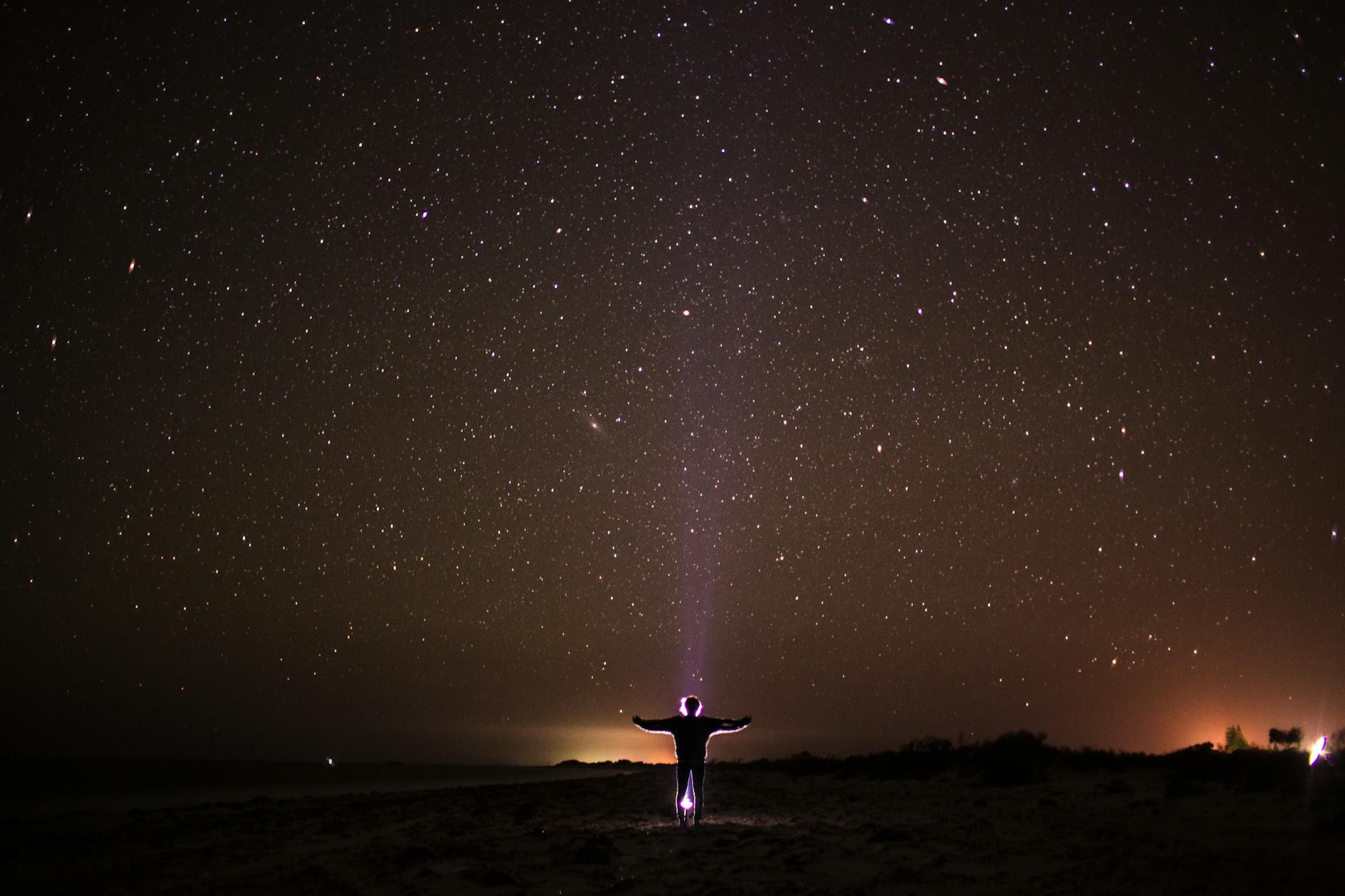
1) Exoplanet Boom
Space telescopes like Kepler and TESS revealed thousands of planets around other stars. Transit and radial‑velocity methods dominate detections. Super‑Earths and mini‑Neptunes appear common, reshaping formation theories. Habitable‑zone candidates spur atmospheric studies. JWST now characterizes atmospheres for molecules and clouds. The search informs origins and the possibility of life.
2) Gravitational Waves
LIGO and Virgo made the first direct detection of gravitational waves from merging black holes. The signal confirmed a key prediction of general relativity. Multi‑messenger astronomy followed with neutron‑star mergers. Observations measure cosmic expansion and dense‑matter physics. Future detectors will extend frequency ranges. A new window on the universe is open.
More about gravitational waves
3) First Black Hole Image
The Event Horizon Telescope produced the first image of a black hole’s shadow in galaxy M87. Coordinated radio dishes formed an Earth‑sized virtual telescope. Data processing and algorithms reconstructed the ring‑like structure. The result tested relativity in strong gravity regimes. Follow‑up images refined models of accretion and jets. Sagittarius A* imaging extended the method to our galaxy.
4) Water on Mars (Recurring Evidence)
Orbiters and rovers found minerals, ice, and past environments compatible with water. Ancient lakebeds and river deltas appear in high‑resolution imagery. Curiosity and Perseverance analyze sediments and organics. Seasonal features sparked debate over brines and slopes. Polar caps and subsurface ice are key resources for exploration. Mars remains a primary target for astrobiology.
5) Fast Radio Bursts (FRBs)
Fast Radio Bursts are millisecond flashes of radio energy from distant galaxies. Some repeat; others are one‑offs with unknown engines. Observatories localized sources and probed intergalactic matter. Theories include magnetars and exotic scenarios. FRBs enable new tests of cosmic baryons and magnetic fields. The mystery drives new instruments and surveys.
🧠 Summary
Twenty‑first‑century astronomy added new senses and catalogs: exoplanets, waves in spacetime, and direct views of black holes. Mars reveals watery history, and FRBs test cosmic matter. Instruments, algorithms, and collaboration turned hints into measurements. Each breakthrough fuels new questions—and missions to answer them.
🎁 Extras
- On This Day: 2016 — LIGO announced the first confirmed gravitational‑wave detection.
- Fun Fact: JWST can detect some exoplanet atmospheres by starlight filtering through them.
- Book/Doc: Astrophysics for People in a Hurry by Neil deGrasse Tyson.
- Reader Question: Which discovery feels most paradigm‑shifting to you?
- Visual Tip: Space discovery timelines
🗣 Quote of the Day
“Somewhere, something incredible is waiting to be known.”
— Carl Sagan
Discover more from Magazine of AI
Subscribe to get the latest posts sent to your email.